
English| EUR
Suggested for you
More currencies
Choose a language
Dolphin-watching expeditions off Balicasag Island follow a narrow operating window shaped by tide, light, and the behavior of resident spinner and bottlenose pods. This guide breaks down the daily schedule, explains why early arrivals see more activity, and maps the rhythm of a morning on the water.
Quick answer
Dolphin-watching excursions off Balicasag Island operate daily from 05:30 to 14:00, with the recommended arrival window between 06:00 and 08:00. Dolphins are most active during early morning hours when the water is calm and feeding behavior peaks. Tours typically depart Panglao or Alona Beach at dawn to reach the marine sanctuary as the sun rises over the Bohol Sea.
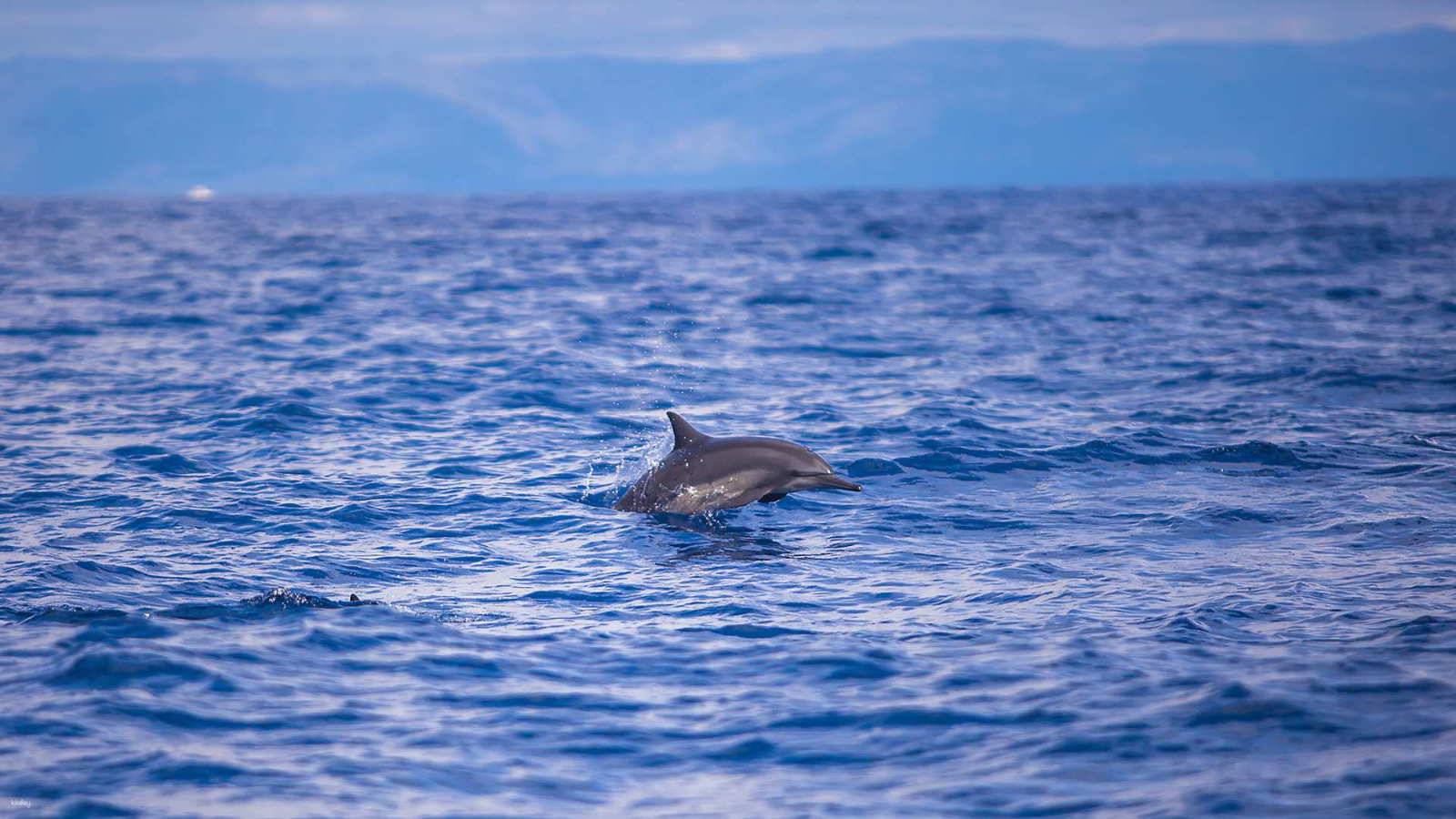
The Bohol dolphin watching time window opens at 05:30 each morning, but the real activity unfolds in the two hours that follow. Spinner dolphins and bottlenose dolphins feed and socialize near the surface during the early light, drawn by baitfish schools that rise with the tide. By mid-morning the combination of boat traffic, warming water, and shifting currents pushes the pods deeper or farther offshore. Balicasag Island sits at the edge of a steep drop-off where the Mindanao Deep approaches the Bohol shelf. The upwelling current brings nutrient-rich water into the shallows, sustaining dense schools of sardines and anchovies that dolphins hunt in coordinated runs. Outrigger boats leave Panglao before sunrise and motor southwest for thirty to forty minutes, timing their arrival to coincide with the peak feeding window. Captains scan for surface disturbances—leaping arcs, spray, or diving seabirds—that signal an active pod. The marine sanctuary surrounding Balicasag enforces a 300-peso environmental and snorkeling fee per visitor, collected on arrival at the island. Most excursions combine dolphin observation with a snorkeling stop along the sanctuary's coral wall, where the reef drops vertically into the abyss. The schedule allows enough time for both activities before the midday heat sets in and dolphin sightings decline. Waters around the island remain calmest between dawn and mid-morning. After 10:00 the northeast trade winds pick up, roughening the surface and reducing visibility. Late-morning departures still fall within the official operating hours, but encounters become less predictable as pods disperse and sea conditions deteriorate. The best dolphin watching in Bohol happens when timing, tide, and light align during that narrow early window. Operators working the Balicasag route adjust departure times throughout the year to match sunrise, ensuring boats reach the viewing area as natural light improves. The consistency of the daily schedule reflects both the biological rhythm of the dolphins and the logistical rhythm of the island's tourism infrastructure, which runs on predictable tides and cooperative weather.
“The upwelling current brings nutrient-rich water into the shallows, sustaining dense schools of sardines and anchovies that dolphins hunt in coordinated runs.”
The best arrival window for dolphin watching is 06:00–08:00, as dolphins are most active during these early morning hours and sea conditions are typically calmer. Prioritizing this time frame increases the probability of sightings before midday winds affect water surface visibility.
Warm 28–32°C; calm seas provide optimal visibility.
25–30°C; occasional rain showers may impact sea conditions.
—; consistent early morning sightings due to reduced boat traffic.
Verdict: For the highest probability of sightings, plan your visit for a weekday morning between March and May, arriving between 06:00–08:00.
Dolphin watching excursions operate daily at Balicasag Island, maintaining consistent hours throughout the week to accommodate early morning departures.
Balicasag Island is located off the coast of Panglao, Bohol. Reaching the island for dolphin watching requires coordinating boat transport from the main beaches of Panglao, as no public land transit connects directly to the site.
Departure from Alona Beach, Panglao
Departure from Tawala, Panglao
Chartered outrigger from Panglao coastline
Secure your boat arrangement the evening before your trip to ensure your vessel is ready for early morning departure. Coordinate directly with boat operators at your departure point to confirm your pick-up location.
Early boat departures require specific gear and preparation to make the most of calm morning waters and active dolphin pods.
Everything you need to know about bohol dolphin watching time
The ideal bohol dolphin watching time is between 06:00 and 08:00. During these early hours, dolphins are highly active near the surface and ocean conditions are generally much calmer for boat travel.
Balicasag Island is accessible daily from 05:30 to 14:00. This daily schedule accommodates morning departures required for optimal wildlife sightings.
Yes, there is an entrance fee of 300 PHP. This cost covers both the environmental levy and snorkeling access for the marine sanctuary per person.
While trips to the area continue throughout the day, the best bohol dolphin watching time is restricted to the morning window. Scheduling your boat trip later in the day significantly decreases the probability of encountering dolphin pods.
Visitors should allow sufficient time to enjoy the sanctuary after their boat arrival. Given the closing time of 14:00, planning a half-day excursion is recommended.
Yes, early departures are standard because the peak bohol dolphin watching time occurs right after sunrise. Arriving early ensures you can reach the habitat while the animals are feeding.
Calmer waters during the early morning allow for better visibility and smoother navigation. This natural behavior pattern makes early morning the most reliable bohol dolphin watching time for observers.
The 300 PHP fee is a comprehensive charge that includes the marine sanctuary environmental tax and snorkeling activities. Ensure you have the correct amount in local currency when arriving at the island.